
iMedia archive · Business
Nigeria’s EDTI: What Industrial Investors Should Check Before Applying
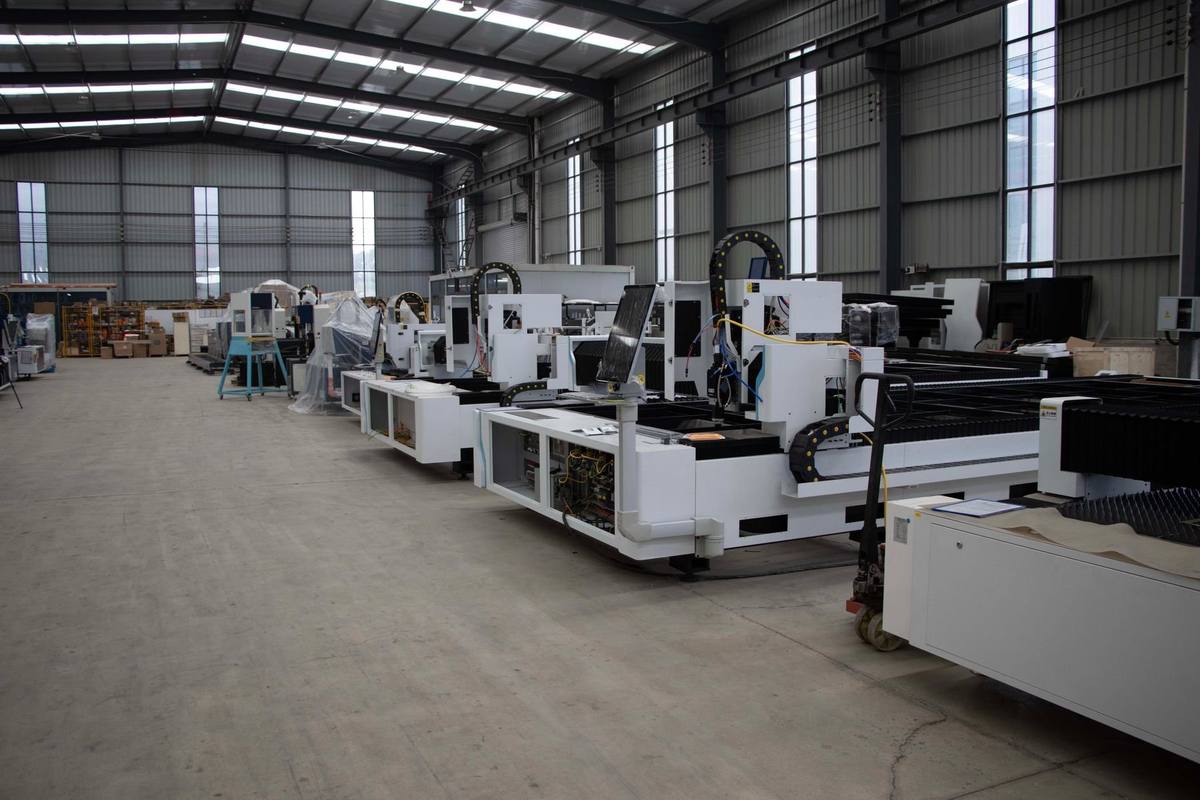
A factory investment should not be built around a tax benefit that has not been confirmed. Nigeria’s Economic Development Tax Incentive (EDTI) can support qualifying investment in priority sectors, but “we are a manufacturer” is not enough to establish eligibility. For steel producers and other industrial investors, the useful starting point is the actual production activity, the capital expenditure and the evidence behind the project.
The Nigerian Investment Promotion Commission (NIPC) describes EDTI as a 5% tax credit on qualifying capital expenditure for companies investing in priority sectors under the Nigeria Tax Act 2025. That is materially different from a general promise of several tax-free years. Understanding the distinction early helps an investor build a more credible project and avoid expensive assumptions. 1
A tax credit is not a blanket tax holiday
EY’s May 2026 explanation of the new regime describes the replacement of the Pioneer Status Incentive with a performance-based credit framework from 1 January 2026. It links the incentive to qualifying investment in designated priority activities, rather than treating an industry label as an automatic exemption from income tax. 2
A tax credit generally reduces tax payable under the rules governing the scheme. A tax holiday exempts specified income for a defined period. Those two mechanisms can produce very different cash-flow outcomes. An industrial investor should therefore have a qualified Nigerian tax adviser assess the timing, certification, utilisation rules and conditions before including EDTI benefits in a financial model.
The prudent approach is to test whether the factory remains commercially viable without an unapproved incentive. Any potential benefit can then be assessed separately, rather than used to conceal weaknesses in power costs, demand, working capital or execution.
Does steel manufacturing qualify?
The responsible answer is not automatically. EY identifies manufacturing across diverse products among the sectors discussed under the framework, but also explains that eligibility depends on designated priority activities in the Tenth Schedule to the Nigeria Tax Act and the applicable qualifying-capital-expenditure threshold. 2
“Steel business” can describe very different operations. Producing steel, rolling material into finished products, fabricating components, assembling structures and importing finished goods for resale are not interchangeable project descriptions. A useful assessment must identify the precise process and output, then map that activity to the applicable schedule and current administrative guidance.
This guide does not confirm that every steel activity qualifies, and it does not assign a steel-specific investment threshold. A classification and eligibility review should come before an application or a commitment based on expected relief.
Define the production activity clearly
Prepare a short technical description of what enters the plant, what happens inside it and what leaves it. Include the proposed products, principal machinery, production capacity, intended customers and whether the business is a new project or an expansion of existing operations.
For example, a project using imported steel coils to manufacture a finished product needs a different explanation from a project producing primary steel. The purpose is not to choose the most attractive label. It is to document the real activity accurately enough for advisers and authorities to assess it.
This same description will help with wider market-entry planning. It gives the project team a clearer basis for investigating industrial premises, utilities, product standards, environmental obligations and other requirements relevant to the proposed operation.
Separate the project budget from qualifying expenditure
A total investment budget and qualifying capital expenditure (QCE) are not the same thing. An investor may budget for equipment, premises, inventory, professional fees, operating losses and contingencies, but should not assume that every item forms part of the incentive calculation.
NIPC’s published process includes the determination of QCE by the Industrial Inspectorate Department (IID), followed by certification of QCE at the Nigeria Revenue Service (NRS). EY also highlights sector-specific minimum capital requirements. 1
Prepare an asset-level expenditure schedule supported by quotations, invoices and a funding plan. Ask the tax and technical advisers to distinguish potentially qualifying expenditure from other project costs. Keep the basis for each item visible so that a change in classification or certification does not undermine the entire investment case.
Treat application and certification as separate steps
NIPC lists three stages in its service process: application submission and preliminary screening at NIPC; certification of production day and determination of QCE at IID; and certification of QCE at NRS. 1
That sequence matters. Incorporating a company, buying machinery or submitting an enquiry does not establish that a benefit has been approved and can be claimed. The production-day determination and expenditure evidence need to fit the project’s actual implementation timetable.
NIPC publishes indicative processing periods for these stages, but investors should confirm current requirements and timing for their own application. Do not promise a commissioning date, tax saving or financing milestone solely on the basis of a general service timeline.
Build a concise assessment pack
Before requesting an eligibility opinion, assemble the essentials:
- The company’s incorporation details, ownership structure and any foreign participation.
- A precise production description, product list and proposed plant location.
- The project stage, implementation timetable and intended production start.
- An itemised capital-expenditure schedule with available supporting evidence.
- Details of any existing incentive certificate or relief that may affect the assessment.
NIPC states that enterprises with foreign participation operating in Nigeria are required to register with it under section 20 of the NIPC Act. That registration requirement is distinct from an EDTI application; it should not be presented as incentive approval. 1
Share commercially sensitive technical or financial material through an agreed confidential engagement, with an NDA in place before detailed disclosure.
Keep the wider investment decision in view
Tax treatment is only one part of a manufacturing project. An apparently attractive incentive will not solve unreliable power, an unsuitable site, weak customer demand or an incomplete commissioning plan. Investors should assess those operating risks alongside the tax position.
For a foreign principal, the practical challenge is often coordination: ensuring that the company structure, technical documents, adviser inputs and implementation timetable describe the same project. A disciplined assessment reduces conflicting assumptions before they become expensive commitments.
Eligibility and approval remain matters for the relevant authorities; neither is guaranteed.
Checked against the sources below on 13 October 2026. This is general information, not a project-specific tax, legal or investment opinion. Obtain independent professional advice before committing capital or claiming an incentive.
Sources
NIPC: Economic Development Tax Incentive service guidance.
EY: Transition to the Economic Development Incentive under the Nigeria Tax Act 2025, 4 May 2026.
From the iMedia archive, first published on 13 October 2026. This is general information, not legal, tax or investment advice, and some details may have changed since then. For help on the ground, see Investors and Companies.